

Welcome to Young Europe: a space where ideas, stories, and perspectives from across the continent come together. Here you’ll find the latest articles from our writers exploring the challenges shaping the future of the European project.
From analyses, to reflections, to opinion pieces, our blog brings together young voices from all over the continent. Scroll down to explore the latest entries and subscribe to our monthly newsletter to get fresh articles right into your inbox.
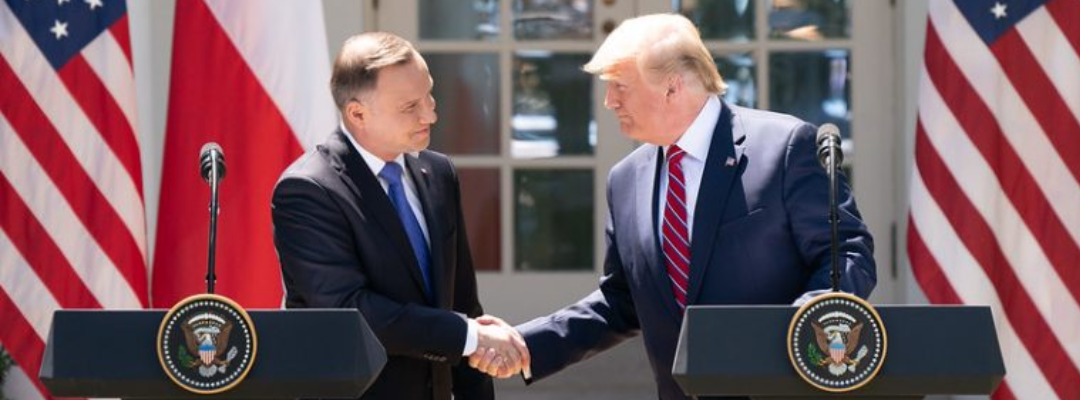
Poland and The USA: from Alliance to Geopolitical Tensions
The relationship with the United States has been Poland’s main foreign policy priority ever since the end of Communism. This has been a matter of consensus across the entire Polish political establishment.
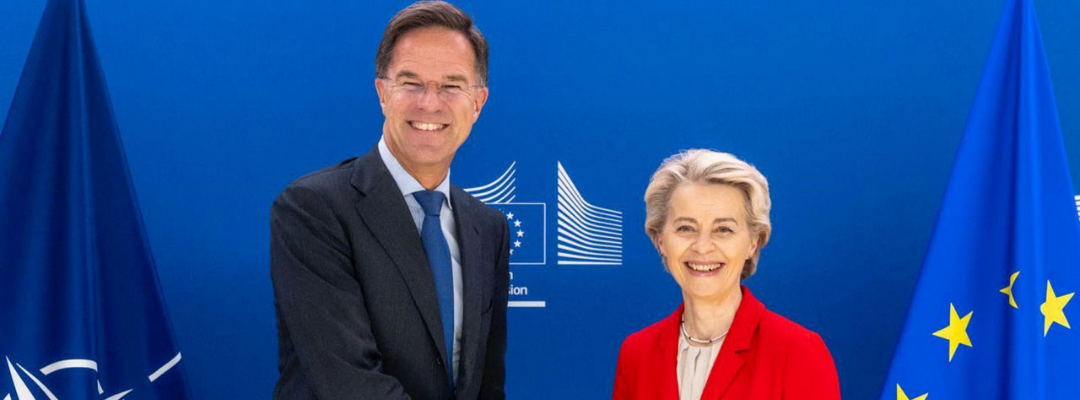
Choose Your Defence on the Continent: Strongly Worded Letter or European Army?
On 19 May 2026, the Russian Foreign Intelligence Service (SVR) and UN Ambassador Vasily Nebenzya threatened retaliatory actions against Latvia’s government, accusing the country of giving Ukraine access to its airspace for launching drones, or even helping them do so from Latvian territory. In the following days, the Foreign Affairs Minister of Latvia dismissed the accusations, while the US Deputy Ambassador to the US mentioned, referring to the Russian claims, that there is ‘no place for threats against a council member’, drawing attention to NATO’s Article 5, meaning if Russia attacks Latvia, the entire alliance will be involved.

More than a tournament: The World Cup and Politics
As the sun set over the Azteca Stadium, thousands of Mexican and South African fans raised their flags. For a few moments, football seemed to create its own world, one where borders disappear, and nations meet to enjoy sports. However, this is far from reality. Headlines for months have been labelling the 2026 World Cup as the most political in history.

Freedom of Movement or Right to Stay? When Leaving Is No Longer a Matter of Choice
The European Union is built on the idea of the Single Market, and at the heart of the Single Market lies one of its most celebrated achievements: the freedom of movement of goods, capital, services and people.

The Legal Risks of EU Return Hubs and Who Is Responsible
Last year, the European Union made its political priority to increase the number of returns of ‘irregularly staying third-country nationals’ (TCNs). On 12 June 2026, after years of negotiations between EU member states, the new Pact on Migration and Asylum finally entered into application.

Bobby Sands, Brexit, and the Slow Fracture of Britain
On the 5th of May 2026, a large group of people gathered in front of a statue in Twinbrook, Belfast. Among them were community members, politicians, and activists, all standing in front of the statue of a young man brandishing an Irish flag, who died after 66 days of hunger strike: his name is Bobby Sands.
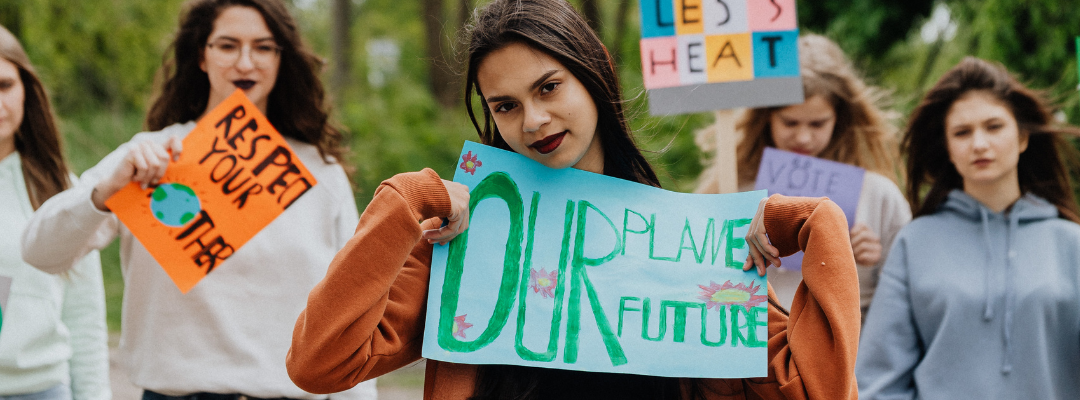
(How) does the European Citizens’ Initiative work?
One of Europe’s core values is democracy. In today’s world, where autocratisation is more likely to happen than democratisation, this core value becomes an even more important element in Europe’s society. One of Europe’s great achievements regarding democracy is the European Citizens’ Initiative (ECI), which offers citizens the opportunity to be more directly involved in the creation of legislation.
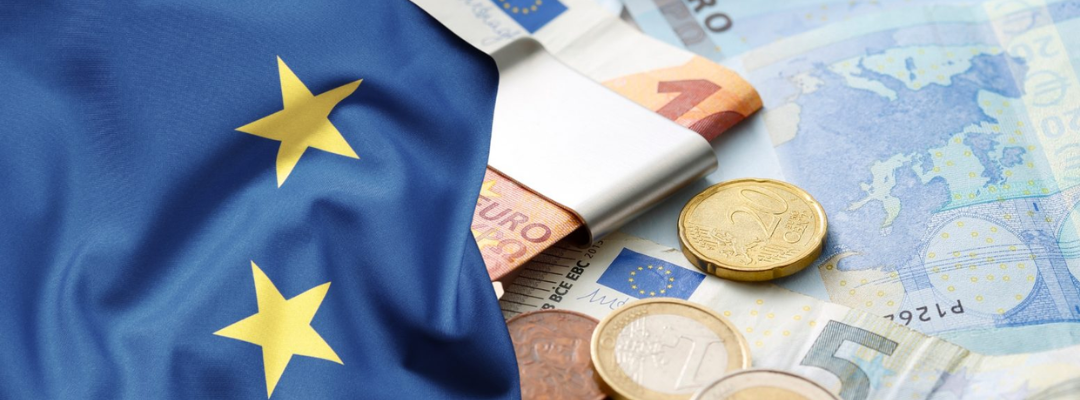
Who Pays for Europe? Understanding the Multiannual Financial Framework and Why Its Future Matters
On 16 July 2025, the European Commission presented its proposal for the next ‘ambitious and dynamic’ Multiannual Financial Framework (MFF) for 2028 to 2034, the EU’s long-term budget. It amounts to almost 2 trillion euros (or, in other words, 1.26% of the EU’s gross national income), the largest amount ever recorded in the bloc’s history.
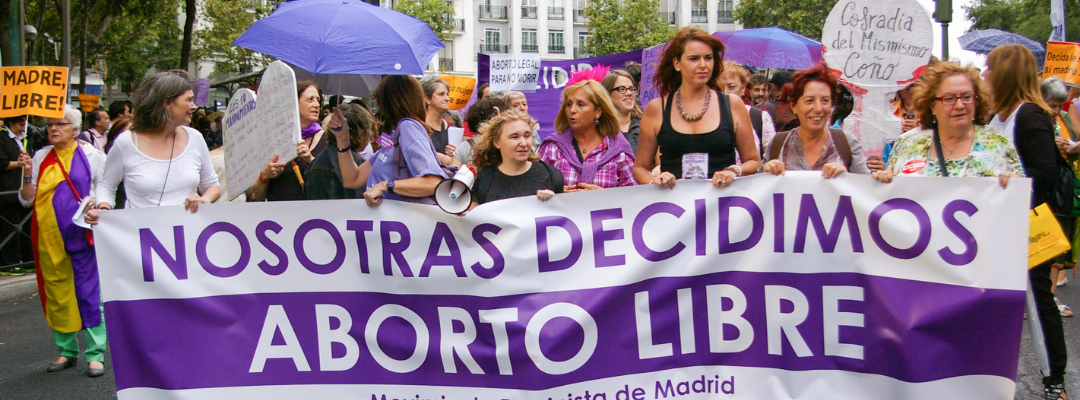
Spain’s Abortion Reform in a Fragmented Europe
The Spanish government wants abortion to be a constitutional right. This comes at a time when Europe is already trying to protect reproductive rights in law. The proposal unfolds within a domestic context shaped by uneven access to public healthcare due to the regional-level administration of health services. So, what stage has the Spanish process reached, and why is the debate more complicated than it first appears?
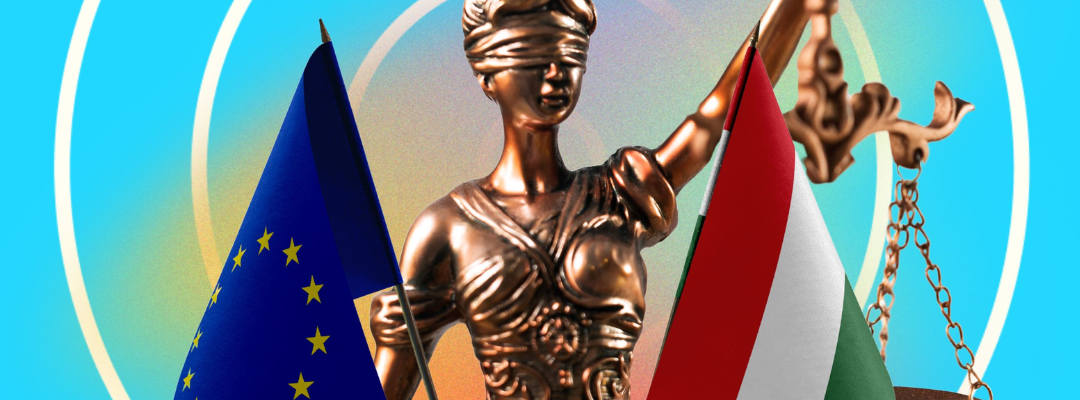
The Binding Power of European Values in Commission v Hungary
Article 2 of the Treaty on European Union (TEU) defines the Union’s twelve founding values, such as human dignity, equality, and respect for human rights. In Commission v Hungary (C-769/22), the Court discovered a self-standing violation of Article 2 TEU, stating that these values are legally binding horizontal obligations for Member States.
Europe’s New ‘Intergenerational Contract.’ But Will It Deliver for Young People?
The European Commission’s new strategy on intergenerational fairness is one of the EU’s clearest attempts yet to answer a difficult question: how can Europe ensure that today’s decisions do not undermine the lives of future generations?

Behind the Glitz and Glamour of Eurovision
For most people, Eurovision is about the music, the outfits, the parties and just overall the vibes, and to be completely honest, fair. However, beneath the surface of glitter and performance, the contest has increasingly become entangled in political tensions, despite the European Broadcasting Union’s (EBU) longstanding claim of political neutrality.
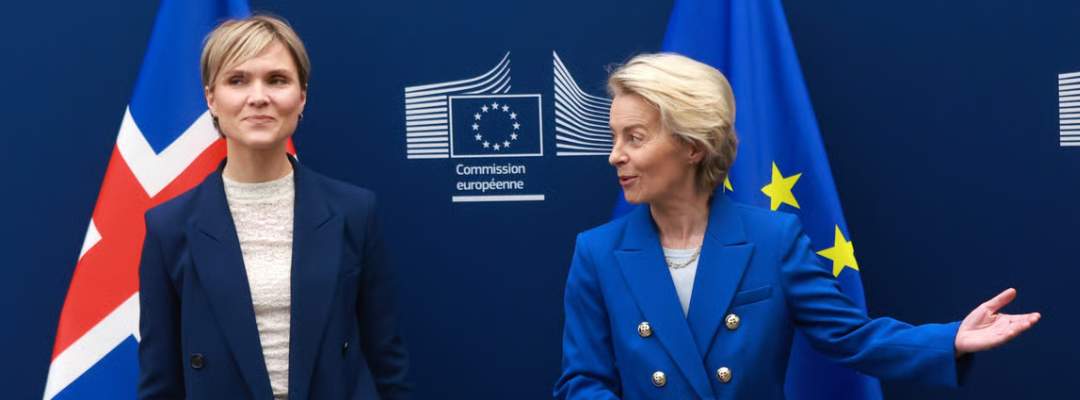
Security through Integration: Iceland’s Return to the EU Debate
When the debate over Iceland's possible accession to the European Union was revived after the country's parliamentary elections in 2024, it signalled a comeback of an issue widely thought to have been settled - and subsequently buried. Discussions around a possible EU membership had died down after well-advanced accession negotiations were paused in 2015 due to a standoff over fishing rights.
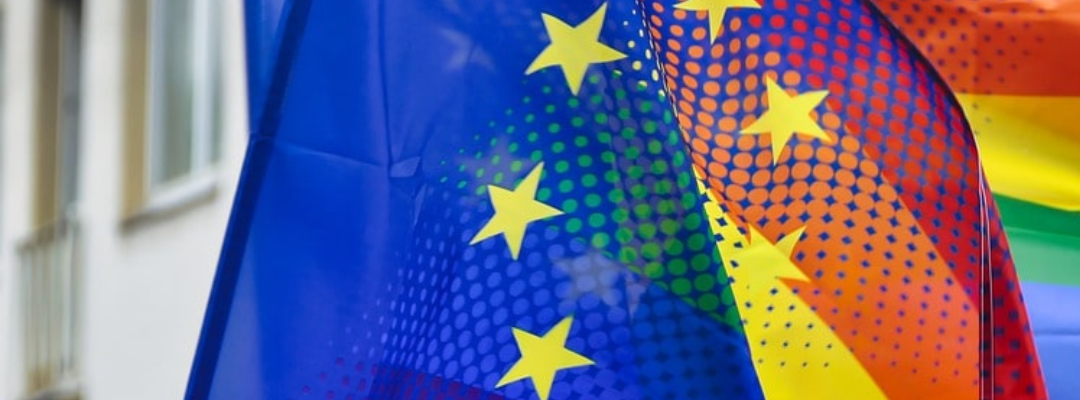
Short History of Pride in Europe, From Protest to Public March for Human Rights
In this day and age, Pride in Europe means embracing love and diversity. It’s an opportunity for the EU to promote itself on the international stage as a safe space for different identities. Its importance goes beyond a public protest; it attests the right of members of the LGBTQIA+ to express their love and gestures of affection out in the open, not only in protected spaces like gay bars.
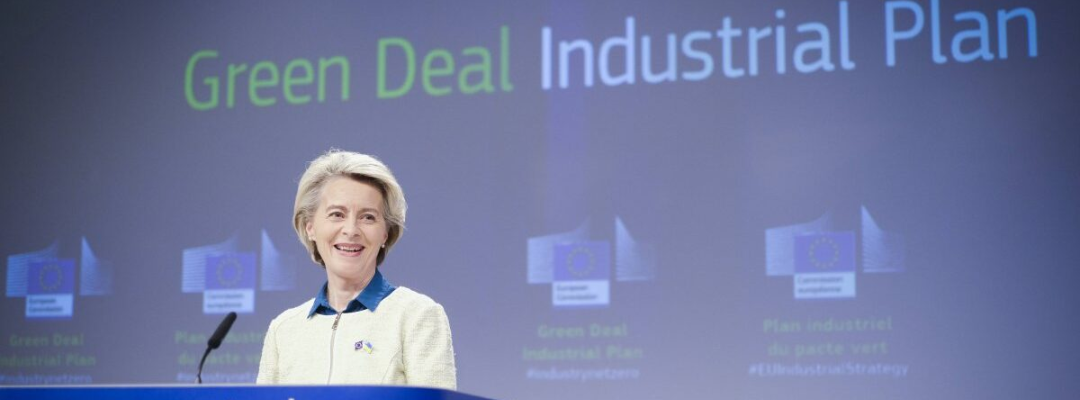
The Slow Death of the European Green Deal?
In 2019, shortly after being elected as the new President of the European Commission, Ursula von der Leyen introduced the European Green Deal as the defining political project of her mandate. At the height of the Fridays for Future protests and growing public awareness over climate change, she described the Green Deal as ‘Europe’s man on the moon moment’,
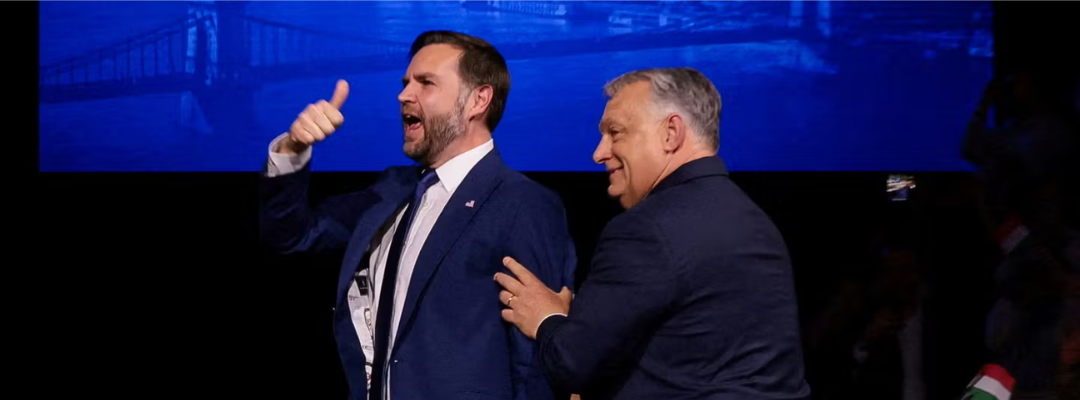
The EU Has to Re-Evaluate Its Enemies from Within
A Washington Post article from 21 March 2026 mentioned a staged assassination attempt on Hungarian Prime Minister Viktor Orban, after a not very successful effort to leak a CCTV intimate tape in mid-March concerning the now chosen prime minister of Hungary, Péter Magyar. It also revealed that the Hungarian Foreign Minister Péter Szijjártó would frequently leak confidential information from EU closed-door meetings to the Russian Foreign Affairs Minister Serghei Lavrov.
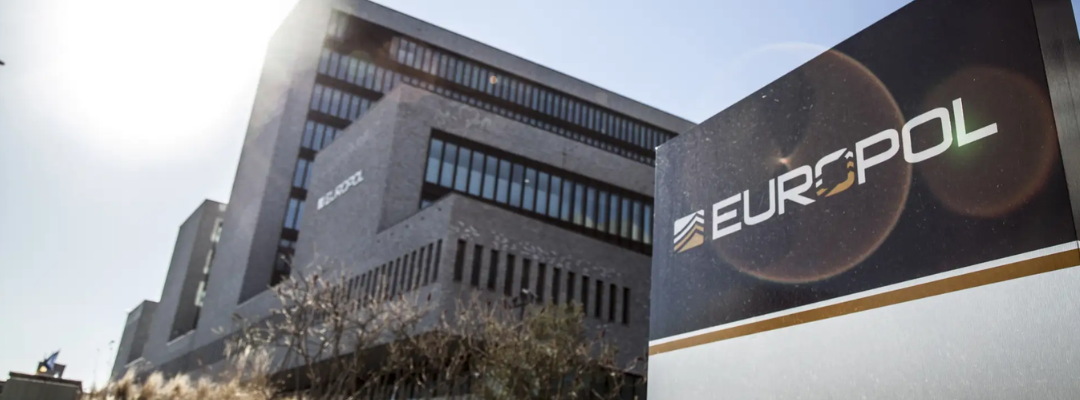
Europol’s Origin Story: How It Unites the EU
In the early 1970s, the European Union Agency for Law Enforcement Cooperation (Europol) was just an idea, conceived as a framework for official cooperation against cross-border crime. As criminal networks increasingly operated across national borders, EU countries recognised the need to work together for a safer Europe rather than separately.
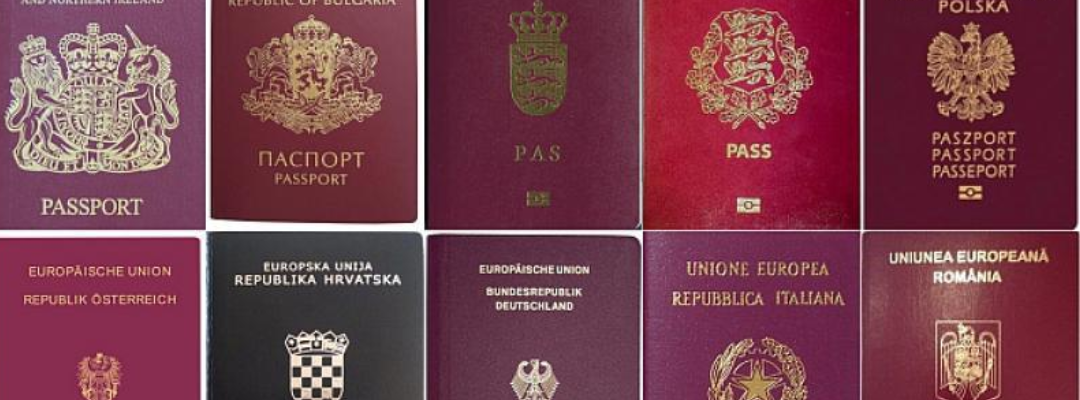
How far does EU citizenship go in 2026? Let the CJEU explain
What is the best way to celebrate Europe Day, if not by reflecting on the opportunities and rights the EU has given its citizens? The European Union is currently home to almost 450 million people.
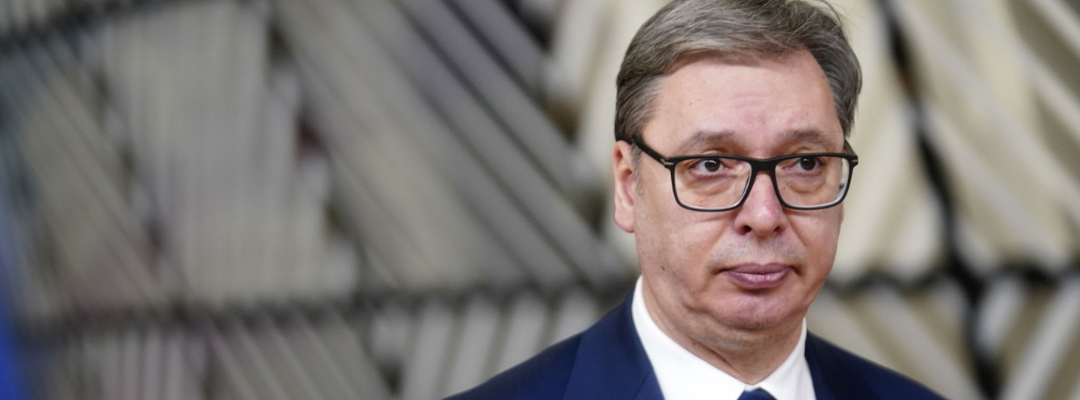
Tensions in the Western Balkans: Headache for the EU
Amid a popularity crisis, the loss of his Hungarian ally Viktor Orban, and ongoing student protests, Serbian leader Aleksandar Vučić finds time to increase tensions with its neighbours, Croatia, Albania, and the unrecognised state of Kosovo.
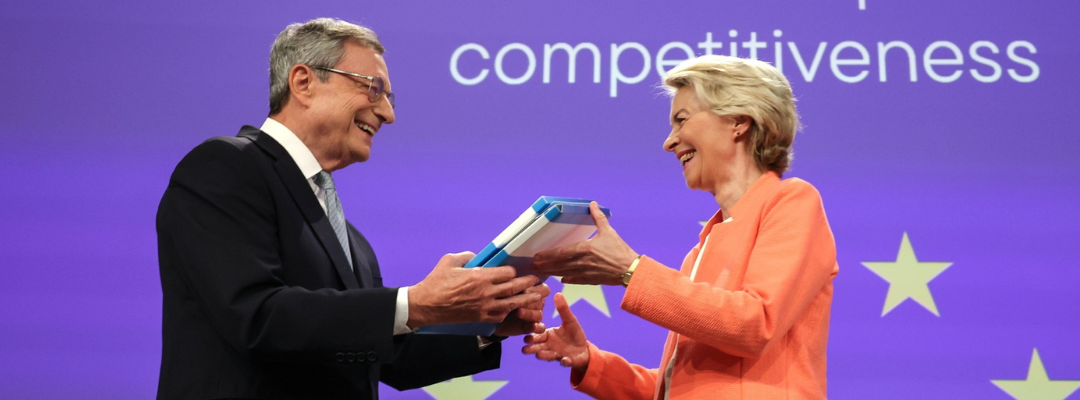
Europe’s Competitiveness Myth: Why Europe Is Dismantling Its Own Strength
Over the past year, a new consensus has taken hold in Brussels. The claim is that the EU is a ‘regulatory burden’ for companies that hinders growth and innovation. Commission President Von der Leyen, underlines it clearly: ‘we need simplification, we need deregulation. We need it on the European level.’