


By Yza Schraal
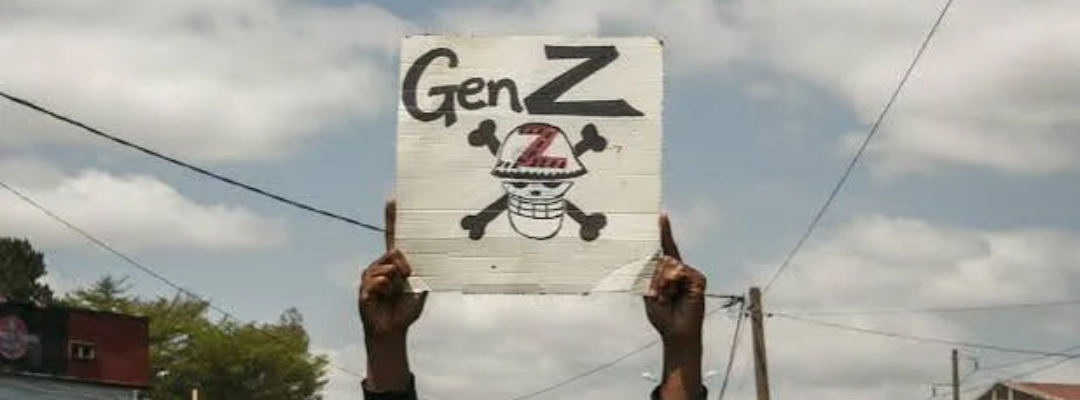
European students have had enough. For the last two months, Europe has experienced a wave of student protests. The youth took over the streets starting in Serbia and France, and protests spread to countries like Spain, Portugal and Greece. With rioters joining, mainly in France, the protests spiralled out of control, and the message the youth wanted to spread became background information. However, their demands addressed serious current issues in Europe. What are their exact demands? And should the EU respond?
The student protests did not begin in France. These were rather the catalyst that motivated other movements to protest in many other European countries. A well-known protest that started a while before the one in France took place in Serbia. After the collapse of a canopy at a train station in Novi Sad, where the lives of 16 people were taken, students had enough of the government corruption. It was, namely, the corrupt payments to cheap contractors that caused the collapse. Every week, there were protests by students, marching from city to city, and with support of other citizens, this movement grew bigger each time. Eventually, in September 2026, Prime Minister Vucic stepped down and announced new elections, where the Student List won with a majority.
Perhaps students in France were inspired by their counterparts in Serbia to call for attention, but on a different topic: education funding. Frustration came from overcrowded classrooms, poor maintenance and overall wasteful expenditure from the government. Similar calls for improvements in education in their respective countries came from Belgium, Greece, and Ireland. Young citizens in Spain, Portugal and Italy took to the streets to protest the rising living costs, the housing crisis, and low wages. Whereas in Germany, the major topic was military conscription and other issues mentioned above. In Albania, student protests also took place, but in contrast to the European Union countries, these protests focused on corruption, like in Serbia.
So, although there is a difference between different groups of countries, the issues touched upon are not new. In fact, housing prices have been rising since the 2010s. In addition, increasing conflicts in the world put a strain on international trade and thus the living costs in Europe. Add to that an older, growing Europe and national pension systems running on their last legs, and the future for young people looks even dimmer.
However, these protests show that the new generation is in fact politically active. They are concerned about the polycrisis in Europe, such as the housing crisis, inflation, and social welfare issues. These issues, together with a general lack of youth perspective in politics and policies, could have made them apolitical and demotivated to be politically involved, but it does the opposite. Politicians mostly addressed the riots that took place by banning several new protests in fear of new riots. However, the government in France specifically took measures that invest in better education, yet this does not resolve all the other issues young people in France and Europe face. Because young people all over Europe protested for similar, connected issues, it would make sense that the European Union listens to its youth and invests in their future as well. An EU response and measures to improve the lives of young European citizens can be an investment in the future of the Union as a whole.
Where:
BBC says France, Belgium, Spain, Greece, Italy, Ireland, Albania, Serbia, Portugal
France and Belgium: https://www.bbc.com/news/articles/cm2ke80nd929o
Italy: https://www.dw.com/en/italy-students-and-workers-rally-over-living-costs/a-79807668
Portugal: https://www.dw.com/en/portugal-police-storm-housing-protest-camps-in-lisbon-porto/a-79821643
Ireland: https://www.rte.ie/news/2026/1001/1593672-students-protest-education-funding/
Albania: https://www.dw.com/en/albanias-student-protests-are-only-getting-bigger/a-79735213
