

What we stand for: The last decade has been marked by global crises: from wars to financial crises, natural disasters, pandemics, and migration flows.
The COVID-19 pandemic, with its spikes in death tolls and subsequent economic impacts, will leave a profound mark on generations. It has also highlighted the European Union as a strategic pillar for crisis response, where Member States can pool the resources needed to address cross-border threats.
According to recent data from the Copernicus Climate Change Service (C3S), Europe is the fastest-warming continent. In addition, extreme weather events such as floods have claimed the lives of 145,000 Europeans in the past 40 years, with the 2024 disastrous floods in Spain causing 219 deaths alone. These climate disasters also bring financial losses, less than a third of which are covered by insurance, jeopardising the economic stability of thousands of Europeans.
The EU has already taken initial steps towards preparing for the unavoidable reality of crises. Following the COVID-19 pandemic, the EU established the Health Emergency Preparedness and Response Authority (HERA) to respond to serious cross-border health threats. Initiatives such as the EU Civil Protection Mechanism and rescEU are solid foundations for addressing immediate emergencies.
For EU&U, the bloc’s ability to respond to emergencies is not only important for building cohesion among Member States, but also for establishing the EU as a reliable international humanitarian actor and a promoter of global solidarity. Humanitarian action should also extend to man-made crises, such as industrial accidents, terrorism, war, and cyberattacks – both domestically and abroad.
7. Promote European and global solidarity
Establish an EU-wide crisis information and communication taskforce: Create a dedicated EU taskforce to respond swiftly to emerging crises with transparent, trustworthy risk communication. Combine centralised coordination with decentralised hotlines, localised services, and trained staff to address diverse audiences. Actively monitor social media and continuously pre-bunk, debunk, and counter misinformation and disinformation.
Develop cross-sectoral protocols for transboundary and systemic risks: Establish new EU risk assessment protocols and standards that prepare for high-impact, low-likelihood events by understanding how crises affect different regions and generations. Account for how one crisis can trigger cascading effects, and plan for extreme situations by coordinating action across sectors.
Strengthen EU participatory capacity in crisis management: Expand EU capacity to build participatory resilience by training crisis authorities to coordinate with local volunteers and digital communities. Set clear data-sharing and privacy standards in line with GDPR, establish formal consultation mechanisms to involve citizens in crisis preparedness and recovery, and develop EU-wide standards for crisis management training and evaluation.
Strengthen the EU’s strategic foresight: Link strategic foresight to practical decision-making by planning emergency stocks, logistics, healthcare surge capacity, cyber resilience, and security measures. Establish clear protocols for risk analysis, secure data sharing, and interoperability under common EU standards for crisis preparedness and response.
Strengthen European culture: Solidarity and the sense of belonging cannot be built solely through joint legislation, but also through media and culture. Connections with cultures outside Europe should be equally prioritised to create a vision for a shared humanity, enabling the design of joint solutions to crises and the building of lasting peace.

In the aftermath of the Russian invasion of Ukraine, EU countries have demonstrated impressive mobilisation to welcome Ukrainian war refugees. The new EU Migration and Asylum Pact, officially adopted in 2024 and set to become fully operational by June 2026, has raised concerns from civil society regarding strategies for large-scale, systematic, and potentially long-term detention of asylum seekers (including children) in border facilities, as well as the erosion of rights and legal protections, such as access to legal assistance.
Additionally, local political figures and institutions have increasingly adopted belligerent rhetoric on migration, disproportionately targeting individuals from racialised communities, namely Muslims, Arabs, Africans, Roma, and people from Latin America.
EU&U believes the European Union must revisit its current legislation and provide solutions that centre on solidarity and respect for human rights. Migration policies should always uphold the dignity and safety of people, including children on the move.
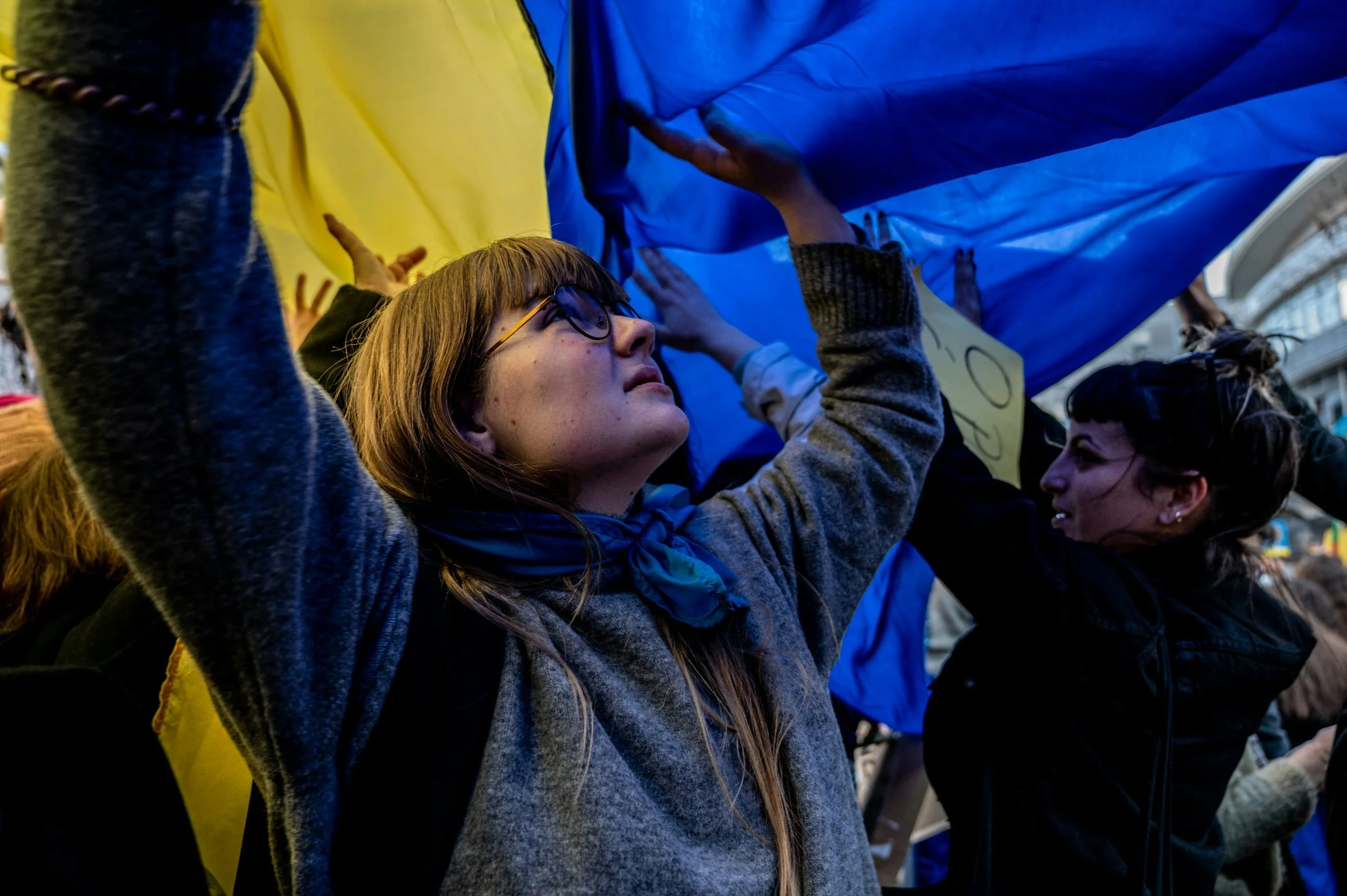
Eliminate institutionalised racial biases: Revise migration and asylum procedures, remove discriminatory criteria such as special procedures based on countries’ low recognition rates, restructure law enforcement and border agencies to eradicate racial profiling and violence through systemic reforms and inclusive hiring, develop an EU-wide strategy to counter racism and xenophobia towards refugees and migrants, and ensure accountability for politicians who promote intolerance and hate.
Stop the externalisation of EU border protection: End the practice of externalising migration management to non-EU countries by reassessing and removing ‘safe third country’ designations where human rights violations occur. Stop financial deals that outsource migration control, and redirect resources to strengthen fair, efficient, and humane asylum procedures within the EU that treat all refugees and migrants equally, regardless of race, origin or religion.
Expand safe and legal migration pathways: Expand safe and legal migration routes to Europe by increasing complementary pathways such as educational visas, labour mobility schemes, family reunification, community sponsorship, and humanitarian visas and corridors. Improve reception conditions, access to services, and provide targeted support for migrants and refugees from racialised communities.
Sustain funding for inclusion of forcibly displaced people: Maintain and prioritise dedicated funding to support victims of forced displacement by ensuring sustainable resources for protection, legal migration pathways, and host community support.
Russia’s 2022 invasion of Ukraine triggered alarm across Europe. While threats have existed in the past, the recent escalation of conflict has enabled European countries to mobilise through economic sanctions on Russia, as well as military and humanitarian support for Ukraine. This experience must form the foundation for stronger cooperation between European states in the face of attacks.
As the nature of conflicts diversifies, expanding to include hybrid and cyber attacks, collaboration in the field of defence is more necessary than ever. Building on the institutional foundations created in the late 2010s, EU&U believes the EU must continue to refine and expand its frameworks for collaboration to protect its citizens from malicious actors seeking to disrupt the democratic process, spread disinformation, and undermine the values of the European project. The EU must also be prepared to tackle threats that compromise its sovereignty, the safety of citizens, and the functioning of its institutions.
European defence: a shield for our values
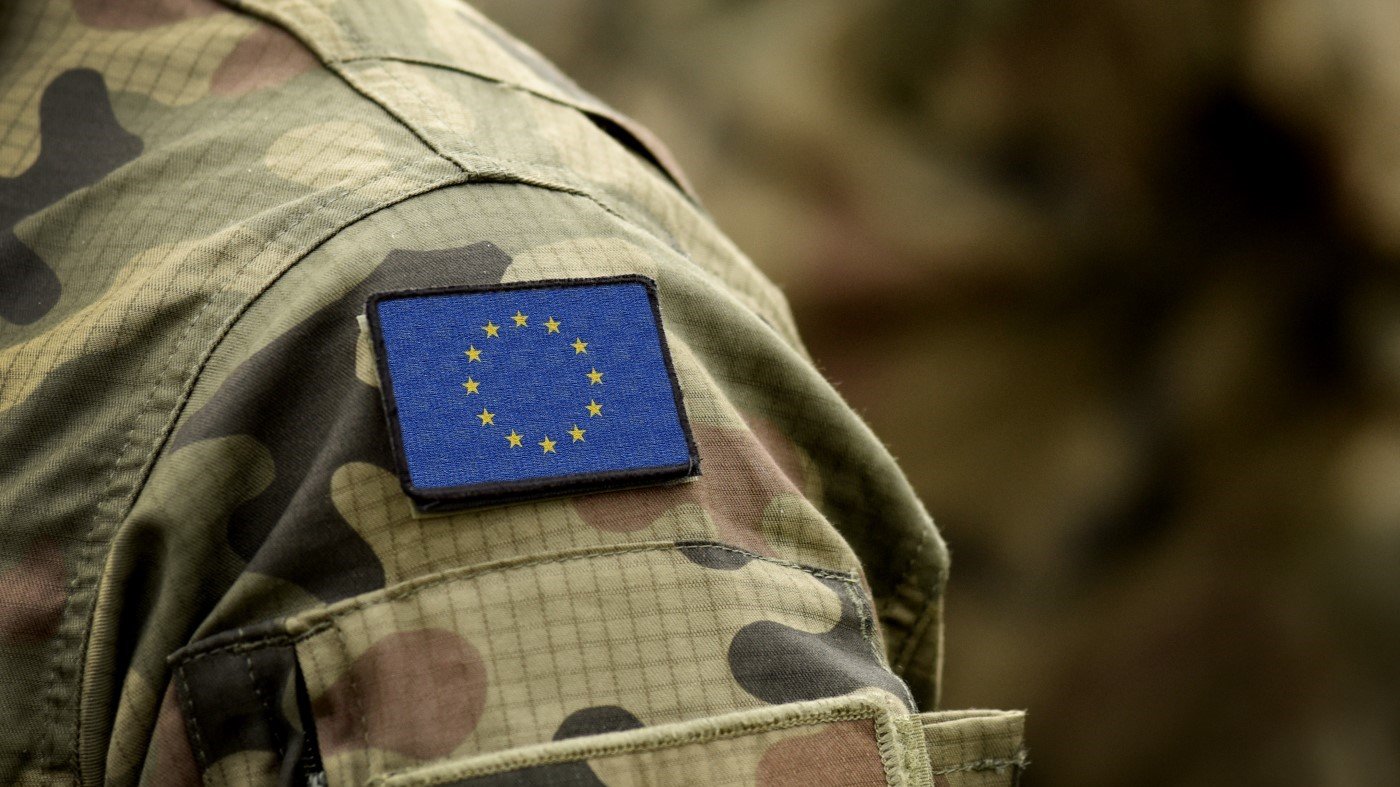
Commit to a centralised EU Defence Strategy and Common Security Framework: Update the EU Strategic Compass to define precise priorities and capabilities. Streamline Common Security and Defence Policy missions, operationalise a 60,000-strong Rapid Deployment Capacity with robust training and retention measures, and ensure the mutual assistance clause is ready to guarantee collective defence under Article 42.7 TEU.
Pursue a European Defence Union through joint procurement and industrial integration: Develop an EU Defence Industrial Policy based on more democratic, less intergovernmental control, with a dedicated task force to coordinate Member States’ procurement needs, map production capacity, integrate defence assets across borders, and enforce a 50% target for joint research, development, and procurement of European-made equipment.
Boost joint capabilities and interoperability with smart investment and training: Focus EU defence spending on closing capability gaps through interoperable systems, such as drones, underwater vehicles, precision weapons, and electronic warfare. Train current personnel to use new technologies, cooperate with experienced partners like Ukraine, and support shared infrastructure and multiannual budgets to maximise efficiency before raising spending targets.
Support ethical and youth-led defence innovation: Invest in ethical, youth-led start-ups and innovative SMEs to improve capabilities in emerging fields such as drones, AI, and space warfare.
Strengthen Member States’ cyber defence capabilities and integration: Develop robust cyber defence capabilities by enhancing collaboration between Member States, European agencies, and institutions. Ensure continuous vulnerability assessments, integrate cyber defence into mission planning, conduct regular joint cyber diplomacy exercises, foster mutual accountability for malicious activities, and work toward a common EU-wide understanding and standards for cyber defence.
Advance an integrated European security approach to counter hybrid threats: Strengthen election security, screen foreign investment, tighten arms export controls, expand anti-money laundering efforts, and ensure institutional coordination through mechanisms such as the Project Group on Defence Union and coherence meetings chaired by the High Representative/Vice-President.
The European Union is the world’s largest donor of development aid. Its policies are aligned with the UN Sustainable Development Goals (SDGs) and focus on poverty reduction, sustainable development, and fostering global partnerships.
Development aid is an essential component of the EU’s position on the global stage. By targeting the root causes of poverty and facilitating access to basic services such as clean water, healthcare, and education, the EU also fosters regional stability, respect for democratic values, peace-building, and sustainable development.
The 2021 Global Gateway laid the grounds for investments in infrastructure, health, and education in low-income countries. Yet, the on-the-ground realities reveal a need for more transparency and accountability on investments, proof of impact, and deeper collaboration with civil society.
EU&U believes development aid should prioritise the needs of local communities, with programmes co-created with local organisations and based on a thorough understanding of on-the-ground experiences. The goal of development investments should be to establish long-term, sustainable, and mutually beneficial partnerships with international partners, while consistently pursuing respect for the rule of law and human rights.
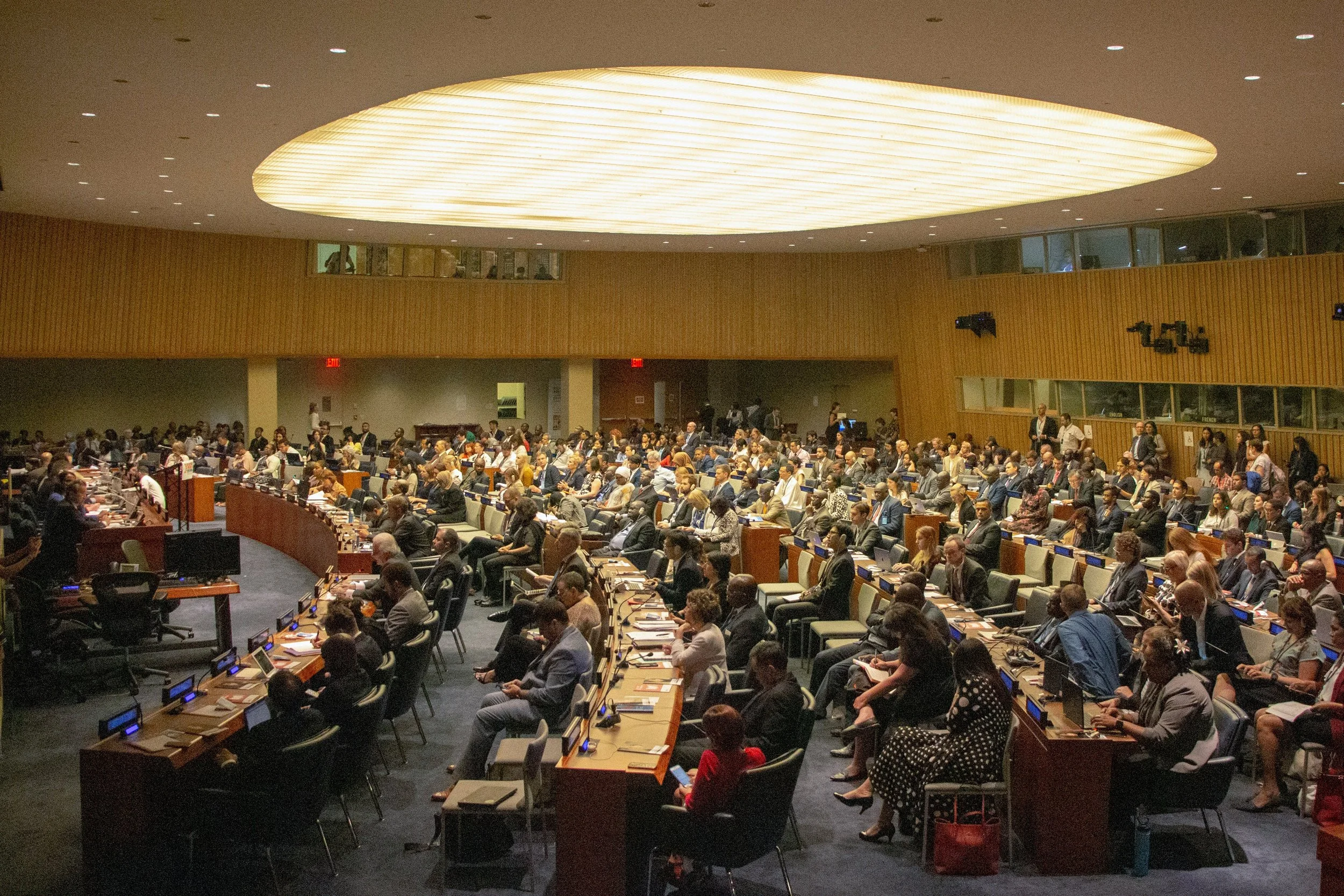
Maintain the separation of development aid budgets from migration control or defence: Reject using Official Development Assistance for restrictive migration policies or military spending, and ensure all migration-related aid fully aligns with development, humanitarian, and human rights principles.
Correct power imbalances and apply an intersectional approach to EU development policy: Revise EU trade and development agreements to address neo-colonial patterns by ensuring fair, mutually beneficial partnerships that protect labour rights, the environment, and local economies. Allocate resources to empower more equal, just, and sustainable relations with partner countries.
Strengthen the role of local civil society organisations: Commit to meaningful partnerships with civil society, particularly grassroots organisations in their full diversity, by ensuring they have real influence in shaping policies and decisions, consolidating collaborations between EU staff and local and regional actors, and delivering development cooperation that reflects the needs and priorities of partner countries.
Prioritise peacebuilding and conflict prevention in international relations: Strengthen EU initiatives that promote peacebuilding, conflict prevention, and post-conflict recovery. Protect civilians in conflict and post-conflict contexts, support demilitarisation, and safeguard human and organisational safety while upholding human rights principles of transparency, accountability, non-discrimination, and participation.
Increase flexibility and responsiveness of EU development funding: Enhance the EU budget with stronger flexibility instruments and global margins across commitments and payments to enable rapid, large-scale crisis response. Modernise tools such as the Global Gateway to improve funding strategies for fragile, conflict-affected, and least-developed areas, where rapid delivery of basic services should be prioritised.