

What we stand for: The European Union needs a resilient economy that balances sustainability and innovation. With the right investments and legal framework, our generation can turn the digital and green transitions into genuine opportunities for the people of Europe.
Young people agree. An overwhelming 83% of 18-25-year-olds think investments in green technologies will lead to innovation and increase the competitiveness of European companies. The European Commission’s Green Deal has provided a blueprint for a circular, inclusive, and climate-neutral economy, with 2.5 million green jobs expected to be created by 2030. Efforts in this direction must be sustained.
Emerging technologies also open up vast possibilities for improving efficiency across sectors ranging from business to public administration. Programmes such as the Digital Decade Policy Programme 2030 can play a crucial role in closing the digital literacy gap across Europe. As our generation is set to play a defining role in the digital economy, the digital skills of professionals must be supported through education and lifelong learning.
However, increasing digitisation brings its own challenges. These range from the difficulty of identifying misinformation or synthetic imagery generated by AI, to concerns about data privacy, algorithmic bias, online echo chambers, and the impact of technology on employment, loneliness, and mental health. The EU must ensure that innovation enhances citizens’ lives while mitigating its potential harms.
The opportunity to transform our economy through sustainable strategies must not be missed. With a clear focus on protecting citizens and promoting sustainability, the European Union can position itself as a global leader in the development of lawful, ethical, and robust artificial intelligence. EU&U believes that technological progress and sustainability can go hand in hand to improve people’s quality of life while strengthening the EU’s position as a major economic actor.
5. Develop a sustainable, future-proof economy

A responsible digital transition
Tech for societal good: Adopt an EU-wide pact for AI ethics, including commitments to the security and sustainability of new technologies. Clarify and expand the European AI Office’s mandate to protect citizens’ rights, promote investment in AI safety, and ensure standardised and accurate tracking, as well as the accelerated reduction of AI’s environmental impact.
International partnerships and research: Build equal and value-based research partnerships with countries in the Global South, and follow through on commitments to establish a publicly funded Resource for AI Science in Europe (RAISE) to lead the development of trustworthy, transparent, and secure AI systems under public oversight.
Digital literacy: Modernise national education systems to integrate AI and digital literacy from an early age, and establish lifelong learning programmes backed by the EU, with formal recognition of micro-credentials to validate skills and support workers through evolving job roles and expectations.
Empower local talent: Increase EU investment in research and innovation to curb brain drain, including support for tech start-ups and academia through projects such as the AI Factories and Apply AI Strategy, ensuring equitable access to high-performance computing and harmonised cooperation between EU Member States. Follow through on legislative commitments established in the Union of Skills and AI Continent Action Plan communications.
Tech single market: Complete the EU Single Market for Technology to boost competitiveness and innovation, create a central EU Digital Authority to unify market surveillance and reduce bureaucracy, streamline compliance with the AI Act, and replace fragmented national regulatory systems with a single, protective framework.
Protection of citizens: Introduce a binding AI Accountability or Liability Regulation that clearly defines legal responsibility for damages across the AI lifecycle, and launch coordinated public awareness campaigns to educate citizens about algorithmic bias, misinformation, and their digital rights.

‘The window for shaping outcomes around transformational technologies is rapidly closing. For too long, the European Union has played a reactive role, responding to crisis after crisis, all the while placing strain on 20th century institutions and governance - it’s not clear how many more crises it can weather. We need to shift tactics and get on the front foot, making investments that will create opportunities for both prosperity and good governance. If we wait too long, future generations will be looking at fewer options and worse outcomes.’
Bálint Pataki, Senior AAI Researcher - Policy, Centre for Future Generations
Generating prosperity through the green transition
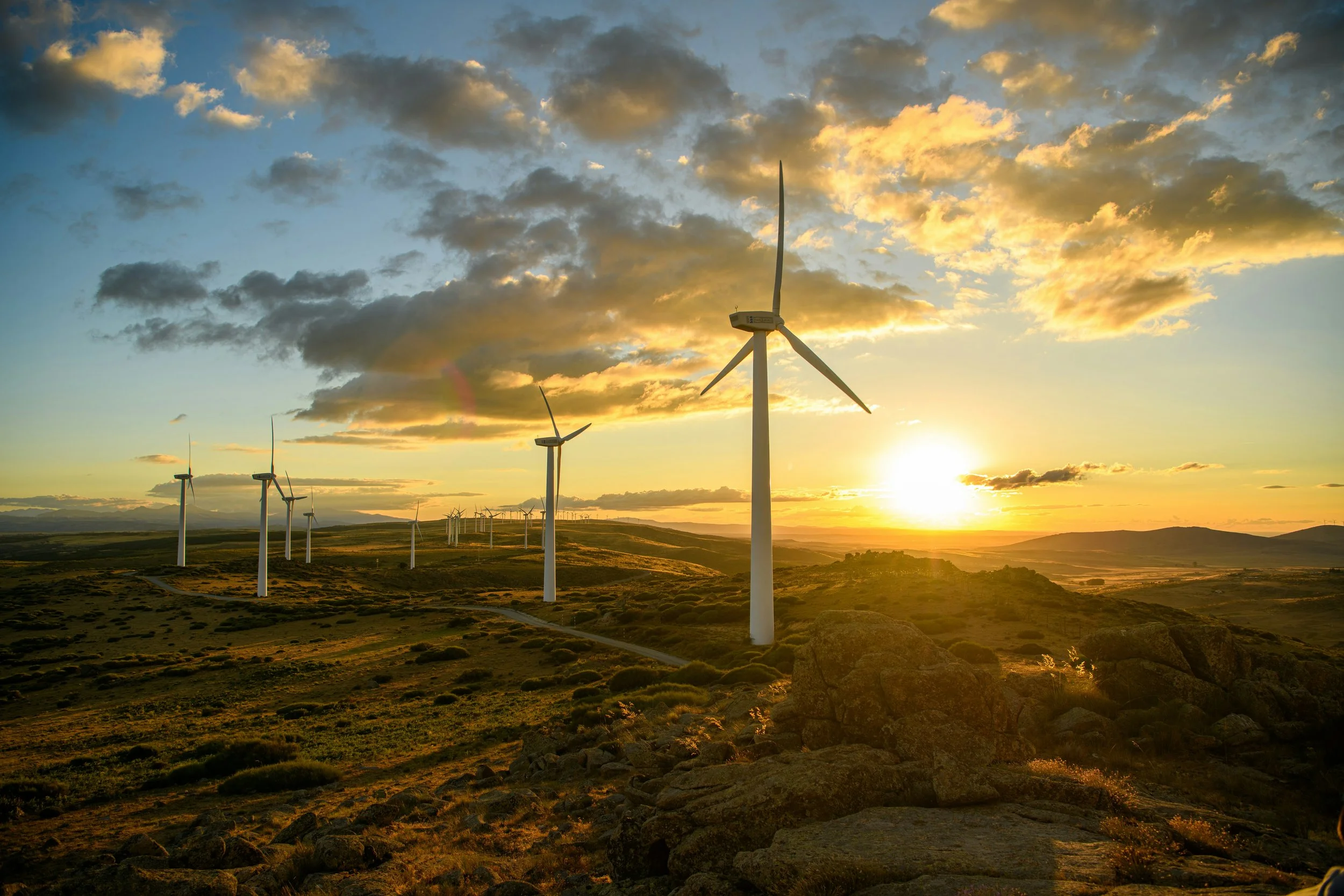
Sustainable competitiveness: Support an economic system that strengthens Europe’s competitiveness without disregarding its environmental and social dimensions.
Decarbonise industry: Commit to an investment plan to support green industries and the decarbonisation of the economy, with enforceable social and environmental conditions attached to any public funding granted to companies. This will enable Europe to become a pioneer in decarbonisation, detoxification, de-pollution, and restoration. Focus on sustainability-driven partnerships with the Global South to add value on-site and ensure equitable global development.
Fund skills and jobs for a clean and climate-neutral economy: Ensure that companies benefiting from public support create jobs and reskill workers to power a green and climate-neutral economy. Preserve and fully implement the Corporate Sustainability Due Diligence Directive (CSDDD) to improve working conditions in global value chains. Modernise infrastructure to support sustainable industries.