

3. Improve education, culture, health, and social services for a resilient Europe
What we stand for: Strong education systems are the foundation for a society prepared to tackle modern challenges, such as the green and digital transitions and protecting democratic principles. Access to quality and inclusive education is established as a priority in the European Pillar of Social Rights, and it has been officialised through the creation of the Union of Skills in March 2025.
Yet Europe remains a heatmap of educational inequalities. While Nordic countries stand safely at the top of the PISA evaluation of basic reading and mathematics charts, Southeast European countries severely lag behind. The picture looks even grimmer when factoring in socioeconomic inequalities. Half of the total disadvantaged students in the EU underachieve in mathematics, ranging from 18% in Estonia to 57% in Romania. The UNESCO Global Education Monitoring Report highlights that children from disadvantaged socio-economic backgrounds are five times more likely to drop out of school, perpetuating cycles of poverty and exclusion.
EU&U believes access to education is essential to reducing inequalities, fostering innovation, and protecting our democracy. The European Union must strongly support national governments in the development of inclusive and quality educational frameworks in order to ensure the resilience and success of the European project.

Adequate funding: Strengthen Member States’ commitment to allocate ambitious budgets for education, research, and innovation under the European Semester scheme, pool EU and national resources to maximise the potential of these initiatives, and ensure teaching staff are adequately trained, fairly compensated, and protected.
Efficient data collection: Establish a coordinated, EU-wide data collection system based on longitudinal, disaggregated and cross-sectoral metrics on education and child well-being, stakeholder consultation, and transparent analysis to enable evidence-based policymaking and identification of systemic barriers to access and equity.
Support for vulnerable children: Establish a cross-sectoral funding programme to support vulnerable children and diverse family structures in overcoming the hidden costs of education, complemented by community-anchored schooling models, investment in digital learning access, and continuity through support for reintegration into the education system and hybrid learning models.
Life-long learning: Integrate micro-credentials into National Qualifications Frameworks by creating a Europe-wide reference database of trusted courses and providers, promoting recognition based on the European definition and quality guidelines, and incentivising work-based learning pathways to strengthen the mobility and reskilling capacities of workers.
Support for applied sciences: Launch a structured EU initiative to strengthen the role of applied sciences based on partnerships between higher education institutions and the private sector, including addressing critical skills gaps, embedding applied research into Horizon and regional development programmes, and promoting transferable skills that help people adapt to an evolving labour market.
Citizenship education: Establish an EU framework for citizenship education that mandates the integration of media literacy, inclusive, multi-perspective history curricula, and European rights awareness, ensuring all students, especially those from underrepresented backgrounds, develop the skills and knowledge necessary for active, informed, and inclusive democratic participation.
Protect academic freedom: Enshrine academic freedom and institutional autonomy in binding national and EU legal frameworks by guaranteeing transparent, independent funding mechanisms and prohibiting political interference in academic affairs.
Access to education for non-citizens: Guarantee the full and early integration of asylum-seeking children into mainstream education by eliminating administrative and linguistic barriers, preventing segregation, recognising prior learning, and using EU funding instruments to ensure inclusive teaching methods and continuous educational access regardless of legal status.
Erasmus+: Building upon Europe’s success story
Erasmus+ has supported over 16 million participants since its inception in 1987. The programme has facilitated transformative academic and professional opportunities, enabling Europeans to expand their knowledge and grow through intercultural exchanges. As highlighted by an Erasmus Student Network survey, Erasmus+ experiences have also encouraged young citizens to develop a stronger sense of European belonging and solidarity with their peers across borders.
However, Erasmus+ can still be improved to better serve those who may benefit from it the most. Monthly grants remain inadequate relative to the cost of living in many European university hubs, forcing students to take on temporary jobs or forgo their participation. As one of the defining shared experiences of our generation, Erasmus+ must adopt measures to improve its inclusivity and accessibility, creating professional and personal development opportunities for all citizens, regardless of their background.

Appropriate funding: Beneficiaries must be supported through adequate funding, accounting for increases in the cost of mobility (e.g., travel, accommodation) and adjusted for inflation, especially for students from disadvantaged or underrepresented backgrounds.
Short-term and online mobilities: Expand support for short-term mobilities and integrate virtual mobility options to accommodate diverse student needs and life situations.
Crisis response mechanism: Establish a robust, flexible crisis response mechanism to support students affected by geopolitical conflicts, natural disasters or health emergencies, including solutions such as rapid deployment of alternative mobility arrangements, emergency funding, psychological or academic support, and a dedicated action line for at-risk students.
Improve synergies between research and education programmes, including applied sciences: Promote collaboration between educational and research institutions, with specific inclusion of applied sciences and professional higher education institutions.
Inclusion of students and staff with disabilities: Guarantee that students and staff with disabilities can participate in all programme activities equally, commit to removing structural, financial, and procedural barriers, provide necessary accommodations, and deploy proactive support mechanisms.
Enhance evaluation and consultation processes: Improve assessment mechanisms of the effectiveness and inclusiveness of Erasmus+ through systematic evaluation and structured stakeholder consultations, including interim assessments, impact measurement across priority areas, and feedback loops with students, educators, and institutions.
While Erasmus+ builds bridges through education, a true European sense of belonging is forged in the shared space of culture. Culture is not a luxury or a service; it is a strategic necessity for a resilient and democratic Europe. It is the realm where we negotiate our shared values, imagine our collective futures, and build the ‘European sentiment’ needed to overcome division. Transnational cultural cooperation is one of the EU’s most powerful yet underutilised tools for fostering mutual understanding and active citizenship.
A European sense of belonging
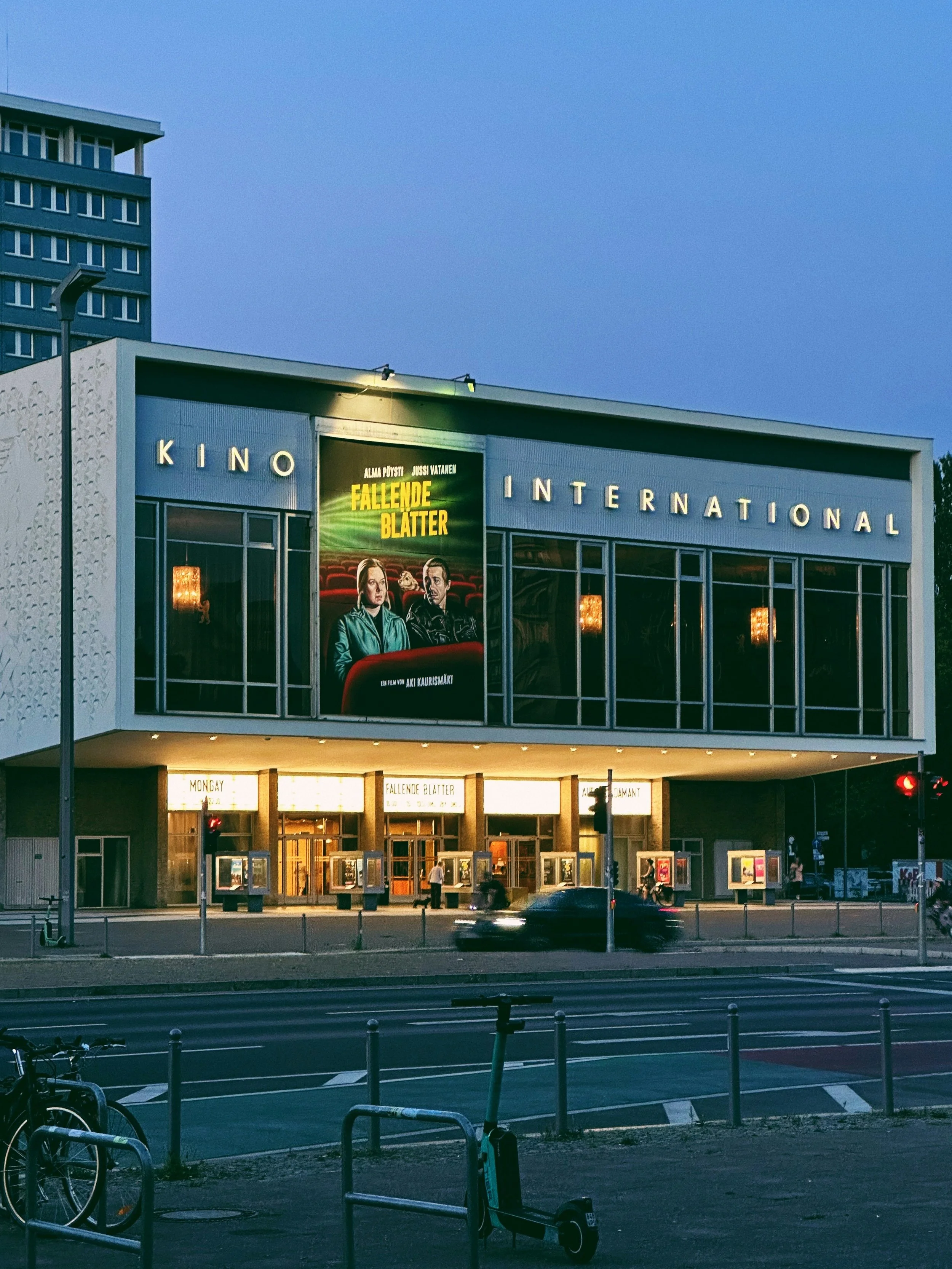
Secure a standalone EU funding programme for culture with an increased budget: This programme must prioritise grassroots organisations and independent cultural spaces. These investments are crucial for protecting artistic freedom, countering shrinking civic space, and ensuring there are safe, open platforms for democratic debate across the Union.
Acknowledge culture as a fundamental right and mainstream it across all EU policy areas: From the Green Deal to digital policy and education, culture must be integrated as a strategic element to ensure all policies are developed with and for the communities they serve, guaranteeing access and participation for all young people.
Support the mobility of young artists and cultural workers: The EU must provide dedicated support for transnational cooperation and cross-border collaborations, ensuring fair remuneration and turning the principle of free movement into a tangible creative and professional opportunity for the next generation of cultural actors.

‘“It’s culture, stupid!” should be a policymaker’s first thought when considering how to respond to the radical right’s next provocations. We are in a battle for Europe. And culture is not the fifth wheel; it is the steering wheel.’
André Wilkens, Director, European Cultural Foundation
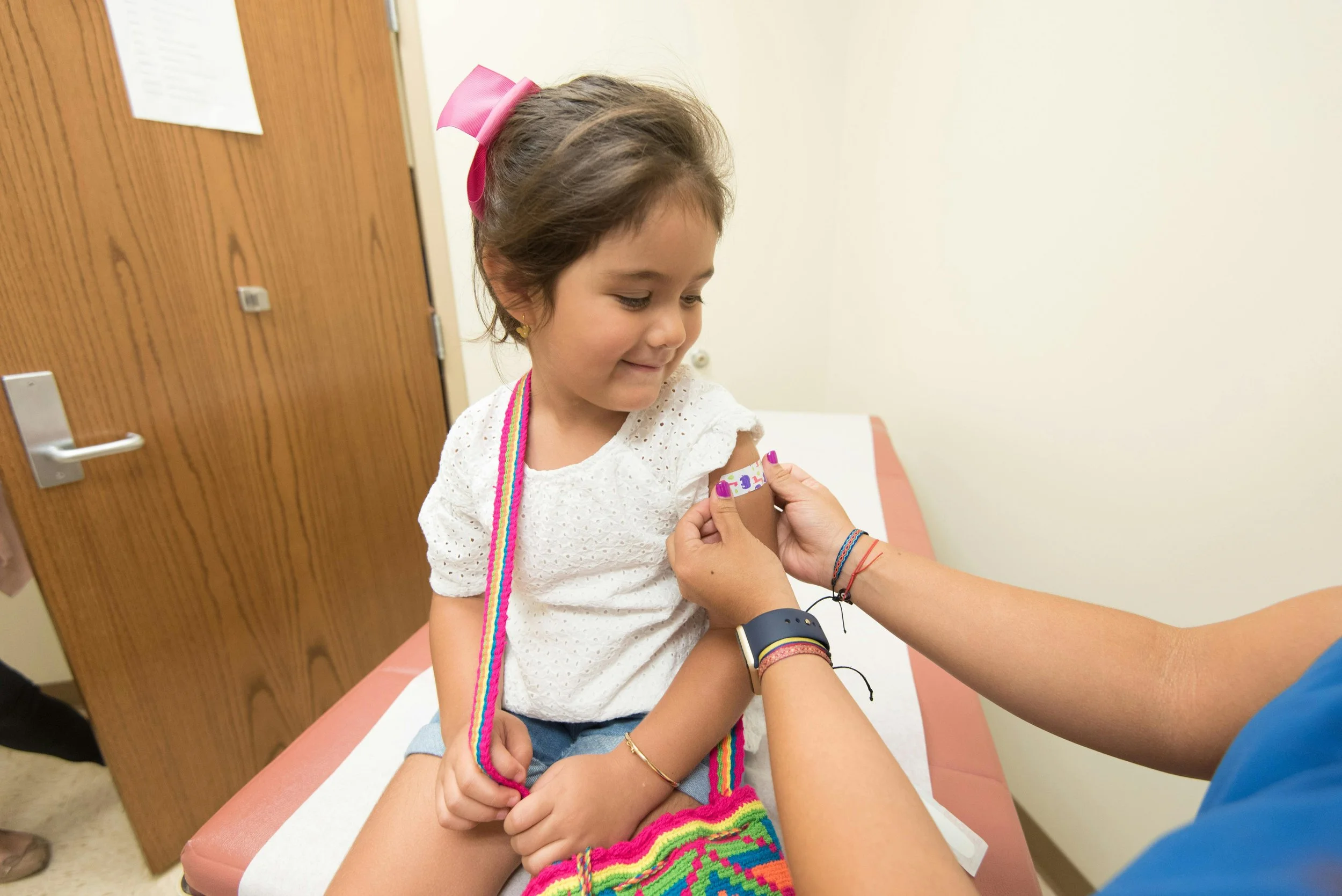
Access to education must be complemented by robust social services such as public health, social security, community centres, and legal aid services, all of which are essential for enabling the younger generation to reach its full potential. With everyday Europeans contributing, on average, 80% of tax revenue, it is vital that public services adequately meet their needs.
Complete the European Health Union: Fully operationalise the European Health Union as a core pillar of the EU, strengthening resilience to public health crises through joint research, pooled procurement of medicines where sensible, and shared investments in health infrastructure. Concerted efforts to equip and modernise national healthcare systems will ensure the financial sustainability of quality services.
Strengthen primary prevention: Advance a robust EU primary prevention strategy by enforcing cleaner air standards, expanding access to vaccines and dietary information, and regulating harmful industries through measures such as a European Alcohol Strategy, smoke-free public spaces, fiscal incentives for healthy and sustainable food choices, as well as mandatory labelling on processed foods.
Address the healthcare workforce crisis: Allocate funds for improving working conditions (including salaries) and mental health support for medical professionals. Expand EU-level training and ongoing education opportunities, create guidelines for cross-border workforce mobility, ensure the common recognition of health qualifications, and establish an EU-wide workforce planning mechanism to anticipate and address staffing gaps in real time.
Improve access to healthcare and advance digital health: Guarantee equitable access to healthcare by addressing insufficiently served areas, ensuring affordable access to essential medicines free from corporate lobbying influence, and scaling up digital health tools such as telemedicine to reach underserved communities, while ensuring anonymity and the security of health data, full compliance with GDPR, and the development of cyber-resilient systems to prevent data misuse.
One Health approach: Adopt an EU-wide One Health approach based on the recognition of the interconnectedness of human, animal and environmental health, and position the EU to lead the global fight against antimicrobial resistance (AMR), including harmonised regulations on antimicrobial use, incentives for prudent prescribing, and environmental safeguards to reduce the pharmaceutical ecological footprint.
In the aftermath of the COVID-19 pandemic, mental health has become a topic which can no longer be ignored. Over 51% of men and 53% of women in the EU are at risk of depression, a 2023 study shows. Yet support is often hard to find. Half of all young Europeans report poor mental health, and 49% report having unmet mental health needs due to challenges related to the availability, affordability and quality of services.
The European Union must take decisive action to address the most pressing challenges for current and future generations. Solutions should not only treat the effects but also address the root causes of deteriorating mental health across society, from supporting Member States’ health systems in integrating mental health into their frameworks, to addressing socio-economic factors impacting young people’s mental wellbeing.
Mental health: a key priority for our generation

Mental health as a fundamental right: Mental health must be recognised as a universal human right, with equal priority to physical health. Policies should ensure accessible, affordable and comprehensive care for all.
Holistic and patient-centred care: An approach addressing biological, psychological and social factors is essential. Services should be designed around patients’ real needs, including investments in the mental healthcare workforce and workplace well-being.
Empowering peer and patient-led support: EU funding should be expanded to cover peer and patient-led initiatives, strengthening community-based services to ensure no one is left without support.

‘Europe’s young people are the driving force for change: passionate, resilient, and unafraid to speak up. The EU must listen and act, placing mental health at the centre of its policies.
Through organisations like EU&U, we can ensure that the voices of youth shape a healthier and more hopeful Europe for everyone.’
Nigel Olisa, Executive Director, GAMIAN-Europe