

What we stand for: Climate change is the defining challenge of our generation. Scientific bodies such as the Intergovernmental Panel on Climate Change (IPCC) have highlighted the urgency of coordinated global efforts to mitigate the impacts of climate change and secure a sustainable future. The special Eurobarometer on Climate Change shows that 81% of 15-24-year-olds recognise climate change as a severe problem. In the same age group, 75% think their country is not yet doing enough to counter climate change.
According to Eurostat, greenhouse gas emissions in the EU decreased by 29.2% between 1990 and 2022 across all main source sectors, except transport. However, the climate emergency demands accelerated and coordinated action. The European Green Deal was a milestone commitment by European institutions to champion climate action and environmental protection. Yet, despite its initially ambitious goals, the rhetoric surrounding the continuation of this plan has increasingly shifted to favour the priorities of big industries.
The well-being of our generation depends on the actions we take now. EU&U remains firmly supportive of the legally binding climate neutrality objectives set for 2050, with a 90% emissions reduction intermediary target by 2040, and is committed to using its platform to construct narratives of hope in order to tackle climate anxiety and support the efforts of climate activists and experts to influence decision-making in favour of green policies and investments.
2. Tackle climate change and protect the environment
A framework for implementing the European Green Deal’s objectives: Pulling from the European Environmental Bureau’s Pact for the Future, establish a right to a clean, healthy, and sustainable environment and ensure governments and institutions follow fully science-based systems thinking in policymaking.
Institutionally recognised state of climate and environmental crisis: Adopt an EU-wide communication to foster mainstream consensus on the urgency of the crisis and its consequences on quality of life, economy, biodiversity, and overall human survival. Urgently implement adaptation measures and accelerate mitigation practices at the same time.
Biodiversity protection: Strengthen the Nature Restoration Law to tackle the biodiversity and climate crisis, and finalise the adoption of the Soil and Forest Monitoring Laws. Boost the implementation and funding of the EU Biodiversity Strategy, as well as commitments under the Kunming-Montreal Biodiversity Agreement.
Combat pollution in all its forms: Effectively implement the fundamental right to clean and safe air, soil, and water. Strengthen legislation to address all forms of pollution, in collaboration with national and local authorities and victims of pollution. Ban harmful chemicals and support the Regulation on sustainable use of pesticides. Implement the ‘polluter pays’ principle in a socially just manner.
Stop waste and build a fully circular economy: Urgently ban the destruction of unsold products and tackle enablers of overconsumption (e.g., textiles and clothing industry). Adopt an ambitious Circular Economy Act that will accelerate the transition away from a linear economy and overconsumption.
Equitable taxation: Raise progressive resources to radically increase public investments in climate, environment, social, and infrastructure projects. Redirect tax revenues from big polluting industries into sustaining the green transition to counterbalance negative externalities. Address the unfair advantages of the aviation sector (no kerosene tax, no international VAT) despite its strong climate impact, and remove current barriers in accessing clean transportation, such as taxes on electricity and VAT on international rail travel.
Simplification not deregulation: Apply stricter due diligence rules to ensure environmental and social standards are respected by companies operating on the EU market. Ensure small and medium businesses can access simpler reporting standards while not deregulating.
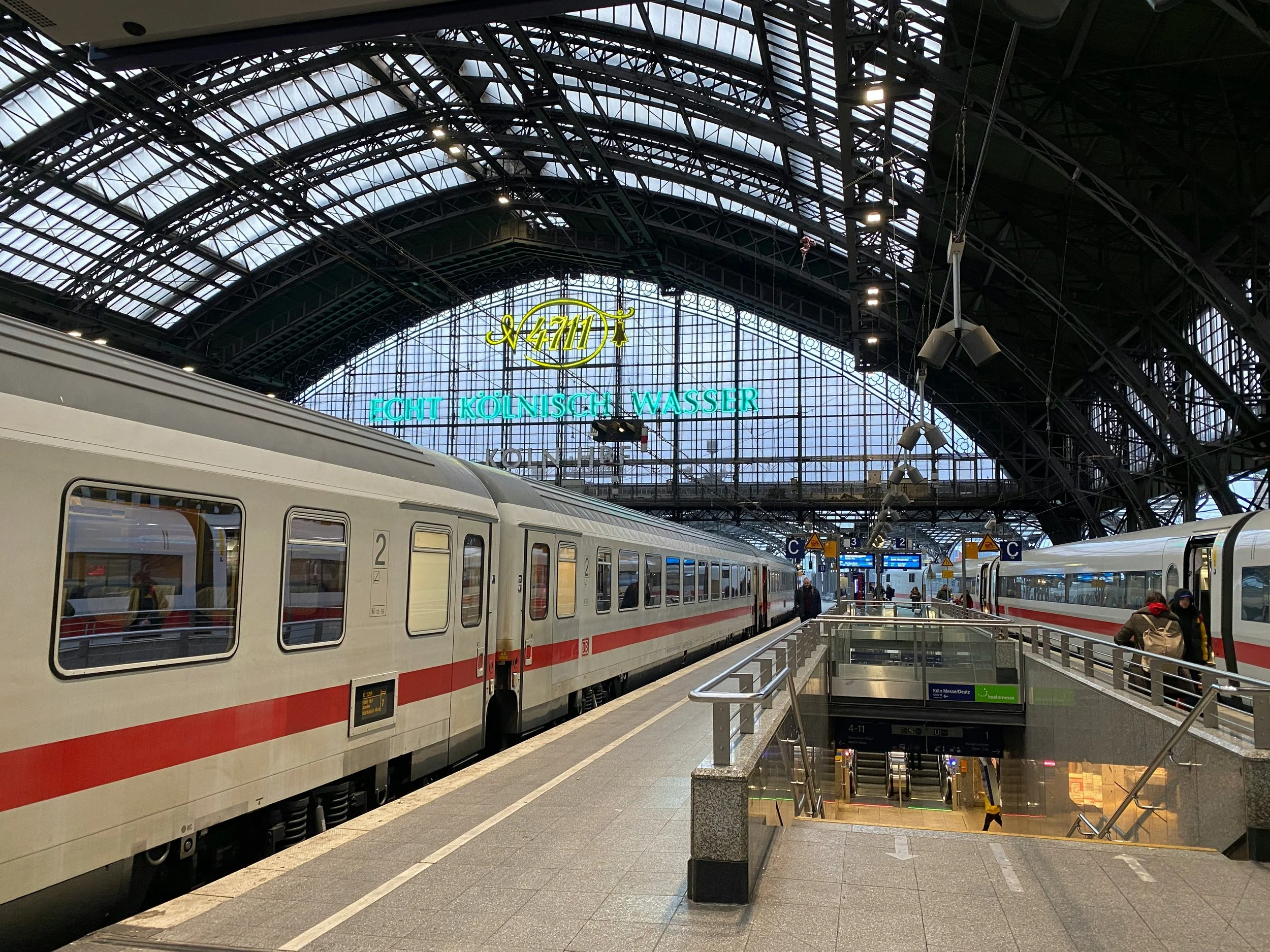
Make sustainable transport the most accessible and affordable mode of transport: Reduce the price gap between highly polluting modes of transportation, such as aviation, and the cleanest modes of transport, such as rail, through initiatives including upgrading ageing infrastructure, securing a strong Connecting Europe Facility fund, simplifying ticket booking, and introducing a Single Ticketing Package. Simultaneously, accelerate cars’ electrification and improve their accessibility to all by developing social leasing schemes.

‘A high-performing rail system is a cornerstone of the zero-emission mobility system alongside electric vehicles, clean fuels for aviation & shipping, active mobility and public transport in cities. Millions of Europeans rely on rail for zero emissions journeys but there is a massive untapped potential to bring more travellers on board and make it more accessible to all Europeans.
We must collectively reduce the price gap between aviation and rail, upgrade our cross-border rail infrastructure, solve the burdensome rail ticket booking process, and enhance passengers’ rights.’
Victor Thévenet, Rail Programme Manager, Transport and Environment

‘The Commission’s own data leaves no room for doubt. Failing to implement EU environmental law costs Europe around €180 billion every year, while full compliance would cost €122 billion – delivering net savings of €58 billion. In other words, every €10 invested in protecting people and nature saves €15 in remedial costs.
The European Environment Agency’s five-year check-up delivers a stark message. Ecosystems are under extreme strain, and policies risk being rolled back just when we need them most. Europe’s environment is in crisis – and so is our quality of life. Protecting nature is not a cost. It is an investment in competitiveness, resilience, and well-being.
Weakening environmental rules will not boost competitiveness – it will erode it, leaving citizens, businesses, and governments exposed to higher costs, greater climate risks, and deeper social disruption. Europe already has the policies, the tools, and a clear public mandate – the European Green Deal.
What we need now is implementation and investment. And we need them fast. As young people around the world already know, short-termism is not an option. The energy and engagement of youth movements and civil society are essential to push our institutions towards a safer, healthier and more resilient Europe, and keeping the Green Deal alive.’
Patrick ten Brink, Secretary General, European Environmental Bureau